A Celebration of Culture & Creativity
Launched in 2004, the United Nations Educational, Scientific and Cultural Organization (UNESCO) Creative Cities Network (UCCN) aims to make creativity an essential driver for sustainable urban renewal and development.
On October 31, 2017, Baguio City, the first City in the Philippines to be designated City of Crafts and Folk Art, joins the 180 member cities from 72 countries.
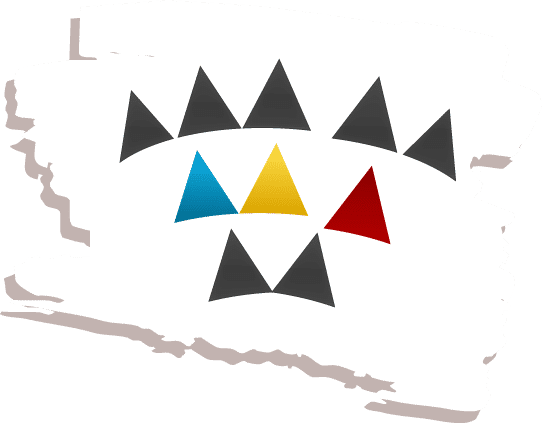
About the Logo
National Artist for Painting Benedicto Cabrera, popularly known as BenCab based the logo on a traditional Cordillera design for mountains. The triangular shape depicts the Cordillera mountain ranges: The 3 middle triangles depict the colors of the Philippine flag.
The 5 top and the 2 bottom triangles depict the 7 traditional arts: architecture, Scupture, painting, music, poetry, dance and performing arts.
The Creative Cities Network under the United Nations Educational, Scientific and Cultural organization (UNESCO) also has 7 fields: folk art, design, film, gastronomy, literature, media arts and music.
Baguio as UNESCO Creative City
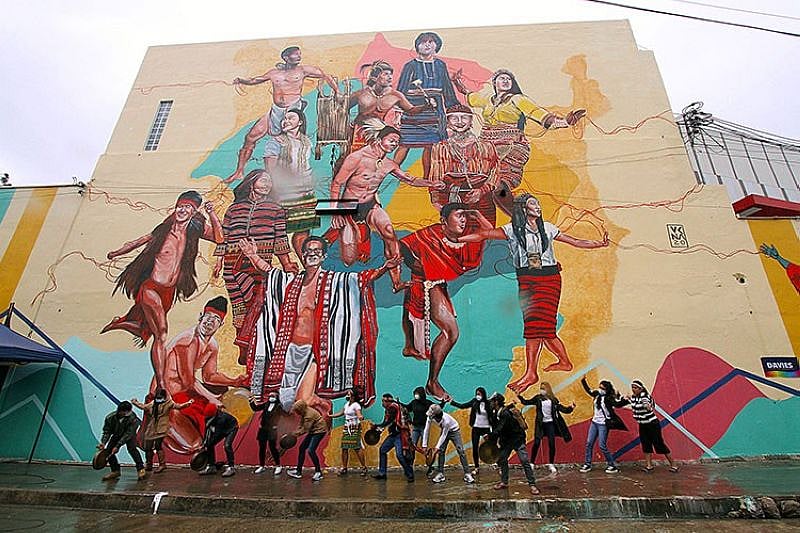
When you step into Baguio City, you immediately immerse yourself in a living canvas of creativity as murals crafted by local artists welcome you. Vibrant splashes of colors adorn the walls, depicting various stories from the indigenous Igorot people and the region’s cultural heritage to the city’s unique blend of tradition and modernization.
No wonder that on October 31, 2017, the United Nations Educational, Scientific and Cultural Organization (UNESCO) designated the city as the first-ever Creative City for crafts and folk art in the Philippines. This recognition was a testament to Baguio’s commitment to promoting creativity, an essential driver for sustainable urban renewal and development, aligning it with 180 other member cities from 72 countries in the UNESCO Creative Cities Network (UCCN).
But what makes Baguio apart and deserving of this prestigious title? It’s more than the cool breeze or the scenic views that draw tourists yearly. It’s in the essence of the city itself –in every brushstroke, every thread woven, every word written or spoken, or every work done, there lies Baguio City’s creativity. The rich culture, quality educational institutions, crafts, and folk arts converge to embody this creative city.
Known as the Summer Capital of the Philippines and City of Pines, Baguio City proudly wears another badge of “melting pot of culture.” Its culture originated from the mixture of traditional Igorot ethnic groups and the influences brought by American colonization. Residents and migrants worldwide coexist, enriching the city’s cultural landscape.
In this heart of cultural fusion, the Ibaloi group is one of the ethnolinguistic groups that stayed in the town. Until today, Ibalois dominates the residents of Benguet and its nearby provinces with a distinct presentation of Baguio culture. As the “window” of the ethnic community, they represent the eight primary ethnolinguistics in the region of Cordillera, showing the diversity of their traditions.
As you go around the town, you’ll notice academic institutions scattered. That would be another label for the city, the “Education Center of the North.” Baguio City consists of schools and universities that provide a high-quality education to students and are even top-performing schools. Every school year, the average number of enrollees ranges from 155,000 to 165,000 students, including enrollees from child development centers up to tertiary education institutions in the city.
Baguio City is home to more than 300 private and public colleges, universities, schools, technical-vocational institutions, and training centers. Among these educational institutions are century-old or heritage schools and learning institutions that have started from scratch and stood the test of time. Notable among them are higher learning institutions like Saint Louis University, University of the Cordilleras, University of Baguio, University of Philippines Baguio, Easter College, Pines City Colleges, Baguio Central University, and the premier military institution in Asia, the Philippine Military Academy. These institutions nurture young minds and stay committed to taking good responsibility and honor to Baguio City in developing the city’s Arts and Crafts programs.
You’ll also come to know the hidden gems in the city once you try to explore further the locals’ work, especially the artistic crafts and folk art expressions, such as weaving practices of women throughout Cordillera, wood carving from Ifugaos, silver craft, and tattooing, which continually thrives in the city.

In addition to the creativity of the locals, the City of Pines also hosts various events like the Panagbenga Flower Festival, one of the city’s main events that allow local artisans to expose and celebrate their crafts. Another is the Ibagiw festival, where artists showcase various art forms, including visual arts, music, dance, film, theater, literature, and culinary arts. These events are both month-long and annual celebrations that have drawn public recognition.
Receiving great recognition as one of the Creative City for crafts and folk calls for a great responsibility. Under UNESCO, creative cities in the Philippines and worldwide are entrusted with a mission –to harness their creativity and innovation in building sustainable cities. By promoting creative industries, strengthening participation in cultural life, and integrating culture into sustainable urban development policies, Baguio City continues to make its creativity shine not just in mural paintings but a vibrant future for the younger generation.
As you step outside the city, may its creativity inspire you to share, learn, and utilize your creativity wherever you go.